
The Rich History of Nicaraguan Cuisine

luis
Editor
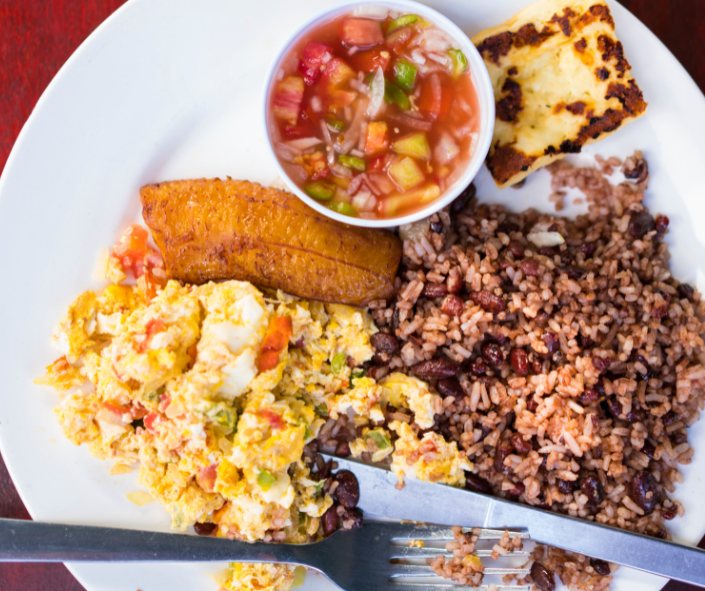
Nicaraguan cuisine is a fascinating blend of indigenous traditions and Spanish colonial influence. At its heart lies corn, the sacred grain of the Mesoamerican peoples, which remains the foundation of the daily diet.
The Corn Heritage
Long before the arrival of Europeans, the indigenous tribes of Nicaragua—the Nicarao and Chorotega—cultivated maize. They developed complex methods to process it, including nixtamalization, which releases nutrients and allows for the creation of dough (masa).
Today, this heritage lives on in dishes like Nacatamales, Indio Viejo, and drinks like Pinolillo. The saying “Soy puro Pinolero, Nicaragüense por gracia de Dios” (I am pure Pinolero, Nicaraguan by the grace of God) references this deep connection to corn (pinol).
The Spanish Influence
With the Spanish conquest came new ingredients: beef, pork, chicken, dairy, and rice. The fusion of these elements with local staples created the Creole cuisine we know today.
A Perfect Marriage
Gallo Pinto, the national dish of rice and beans, is a perfect example of this marriage. The beans are native, while the rice was introduced. Fried together, they create something greater than the sum of their parts.
Regional Variations
While the Pacific coast is known for its corn and beef dishes, the Caribbean coast has a distinct culinary identity influenced by African and British traditions. Here, coconut milk is king, used in dishes like Rondón (a seafood stew) and Gallo Pinto with coconut.