Ripe Plantain (Plátano Maduro)
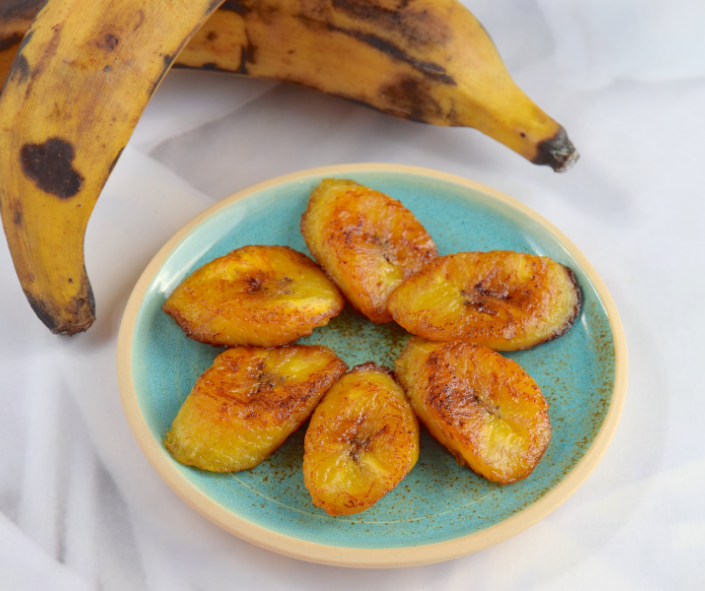
When allowed to ripen, plantains become incredibly sweet and soft, developing a caramelized exterior when cooked. They are typically fried whole or in slices as “maduros” to provide a sweet contrast to salty cheeses and savory meats on the dinner plate.
About this Ingredient
As the green plantain ripens, its starch converts to sugar, and its skin turns yellow with black spots, eventually becoming entirely black. This transformation yields the 'Plátano Maduro,' a fruit that is intensely sweet and soft. In Nicaraguan culture, the maduro is the perfect counterpoint to the salty and savory flavors that dominate the cuisine. It represents the balance of life—sweetness to offset the salt. Historically, ripe plantains were a readily available source of energy for workers and families, easily prepared by simply throwing them on the coals of a fire.
Fried ripe plantains, or 'Maduros Fritos,' are a non-negotiable component of the 'Plato Típico' (Typical Plate). They are slowly fried in oil until they caramelize, becoming sticky and rich. Another beloved preparation is 'Plátano en Gloria,' where whole ripe plantains are baked with cinnamon, cloves, and sometimes cheese or cream, creating a dish that blurs the line between side dish and dessert. Even simply boiled in their skin ('Maduro Cocido'), they offer a comforting, warm sweetness that pairs beautifully with a cup of black coffee and a piece of salty cheese.
Culinary Uses
- Fried slices (Maduros)
- Baked whole (Plátano en gloria)
- Boiled in skin
Cultural Significance
Provides the essential sweet balance to the salty and savory profile of a typical Nicaraguan meal (El Plato Típico).